
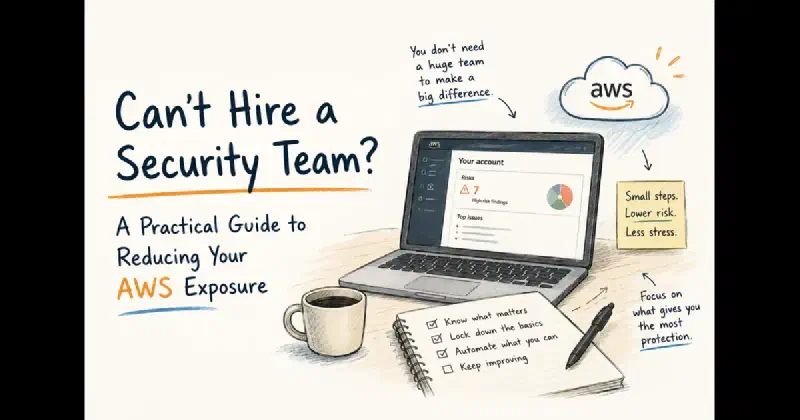
Many SaaS startups or small companies that utilize cloud technologies face a dilemma: whether to invest in cybersecurity and compliance now or delay until the company begins proving itself.
More often than not, the company may lack a full-time employee or team who specialize in these types of questions due to financial factors. This is why SMBs usually delegate security to the sysadmin and compliance to engineering managers. Unfortunately, despite the fact that security assessments and compliance checks may seem simple and basic, they still require dedicated professionals to implement properly due to the depth of knowledge and experience required.
According to research, many SMBs assume “We’re Too Small to Be Targeted”.
As of 2026, one of the top concerns that SMBs face is cybersecurity incidents. A hurdle that SMBs face is that hiring a security team or a consulting company can cost anywhere from a few thousand US dollars up to hundreds of thousands per year, sometimes wiping out a startup’s revenue during early development.
A simple, practical approach to this problem is to adopt a security-by-design approach in your processes and workflows. This may seem a bit annoying at the beginning for your teams, but it will save you a lot of headaches in the long term and reduce the amount of rework required later on when you finally hire a consulting company to address any significant gaps or risks.
Web Applications Security#
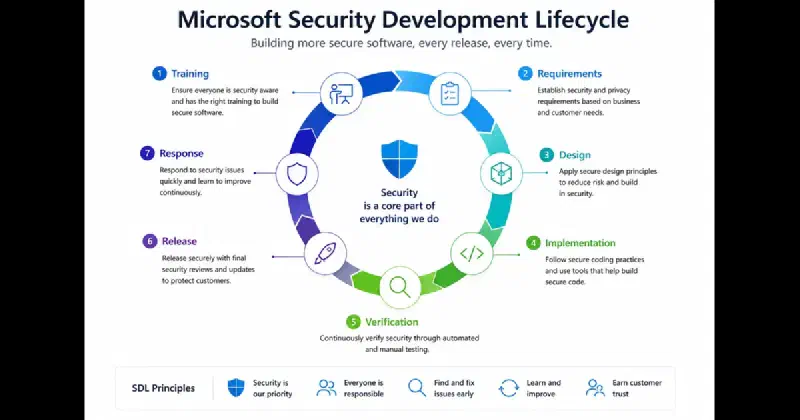
The web application is one of the top attack surfaces since this is what faces users or external parties via the cloud. There are many frameworks and standards, but Microsoft’s SDLC is one of the most well-known processes for securing web applications. If you’re a SaaS startup, then it’s highly recommended to first secure the front line before beginning to talk about cloud security. Other standards worth checking out are the OWASP Top 10 for web applications.
AWS Security Checklist#
Now, once you have got the front line secured, the next logical step is to secure the infrastructure in the cloud.
- Enforce MFA on privileged users.
- Stick to the principle of least privilege.
- Enable GuardDuty and monitor for anomalies.
- Enable CloudTrail to monitor and audit API operations as well as sensitive operations.
- If you use S3, make sure buckets are private by default, block public access, and enable encryption wherever possible.
- Assign specific roles with the least privileges needed to services or users.
The above is just a simple checklist that covers many of the essentials without talking to a consultant yet.
When to Ask for Help#
It is most effective to get professional advice from cloud consultants during the design phase and before going live. This is the most efficient strategy, as having a proper design will lead to much better outcomes and save your company a lot of money in refactoring.
It is important to note that getting advice before going live with a new feature or ahead of an audit could save you from a lot of stress and trouble since you proactively remediate issues or problems before clients, auditors, or other parties find them.
Avoid Big Names#
It is very tempting to contact well-known, reputable consulting companies for help as they usually are superior in expertise and are normally well equipped. However, this does come at a significant cost since big names entail overhead.
You can get similar help at much more reasonable prices from less reputable companies. You could save between 50% and 70% in expenses if you get help from small consultants for relatively similar results.
Many smaller consulting firms actually have experts who worked with big companies and know how they operate; the only difference is that you’re paying for outcomes instead of brand.
Conclusion#
By taking a hybrid approach, you can avoid a lot of cyber risks while still getting outcomes at a reasonable price. There is no need to sacrifice security when you can get it alongside your product efforts.